Strasbourg: Where Tradition Meets Modern Europe
Uncategorized
Strasbourg is a city that seems to exist in two worlds at once. Situated on the eastern edge of France, close to the German border, it carries the charm of a medieval town while functioning as one of Europe’s most important political and cultural centers. Its unique location along the Rhine River has made it a crossroads of history, blending French elegance with German actualité à Strasbourg efficiency in a way that is visible in everything from architecture to cuisine. The city’s streets are alive with stories, and each corner offers a glimpse into the centuries that have shaped this remarkable place.
The heart of Strasbourg is undoubtedly its historic center, La Grande Île, which has earned recognition as a UNESCO World Heritage site. Dominating the skyline is the Strasbourg Cathedral, an iconic Gothic structure whose spire reaches skyward as if to touch the clouds. Inside, the cathedral reveals intricate stained glass windows, delicate stone carvings, and the famous astronomical clock, a masterpiece of ingenuity that fascinates both tourists and locals. Surrounding the cathedral, the medieval streets of La Petite France offer a picturesque scene of canals, timber-framed houses, and narrow cobblestone lanes, reflecting a time when Strasbourg thrived as a center of trade and craftsmanship. Wandering through these streets feels like stepping back in time, yet there is a vibrancy that keeps the city alive and inviting.
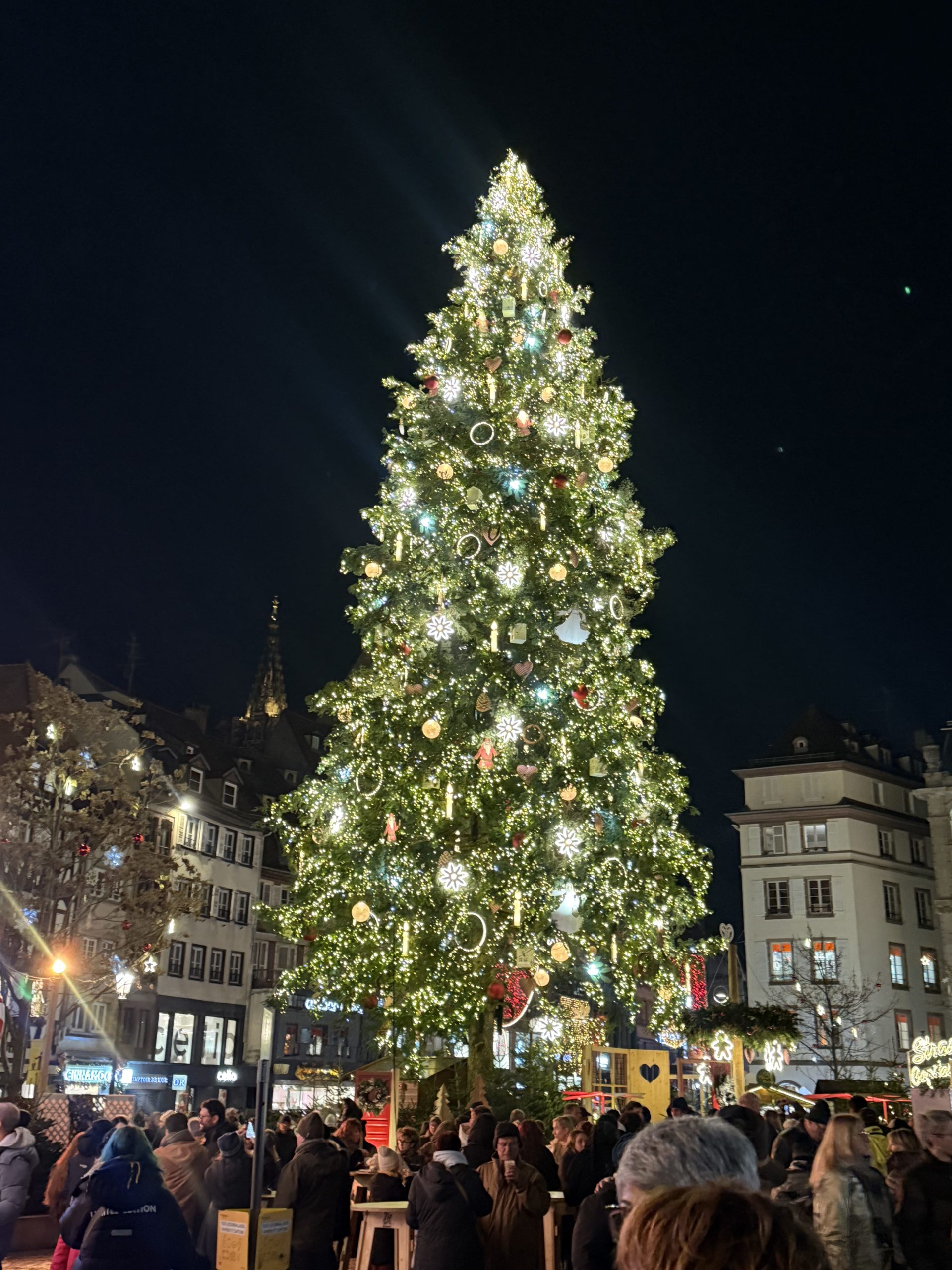
Strasbourg’s significance extends far beyond its history. The city is a hub for European governance, hosting institutions such as the European Parliament, the Council of Europe, and the European Court of Human Rights. This presence gives Strasbourg a cosmopolitan atmosphere and a sense of purpose, as ideas and decisions that affect millions of people in Europe are debated and formed within its walls. The mix of diplomats, students, and visitors from across the continent adds a dynamic energy to the city, creating an environment where tradition and modernity coexist seamlessly.
Art, culture, and education flourish in Strasbourg. Museums such as the Strasbourg Museum of Modern and Contemporary Art display collections that span centuries, while smaller galleries showcase emerging artists. The Alsatian Museum preserves the region’s unique heritage, capturing the daily lives, crafts, and traditions of its people. Music and theater are central to city life, with festivals and performances taking place throughout the year. Strasbourg’s universities attract students from all over the world, contributing to a youthful energy that balances the city’s historical weight.
Food is another reflection of Strasbourg’s dual heritage. The local cuisine combines French sophistication with hearty German flavors. Dishes like tarte flambée, choucroute garnie, and freshly baked pretzels are enjoyed in traditional restaurants, cafes, and street markets, offering both comfort and refinement. Alongside its culinary delights, Strasbourg’s parks and riverside walks provide spaces for relaxation and connection with nature, adding to the city’s appeal as a destination for both residents and visitors.
Strasbourg is a city where the past and the present are always in conversation. It is a place of stunning beauty, political importance, and cultural richness, offering experiences that range from quiet reflection in ancient streets to lively debates in the halls of European institutions. Every visit reveals another layer of this extraordinary city, making Strasbourg an unforgettable destination and a true symbol of European unity.