Seamless and Safe: Everything You Should Know About Water Heater Installation
UncategorizedInstalling a water heater is a crucial step in ensuring a steady supply of hot water in your home, but it’s a process that requires careful planning and execution. Whether you’re replacing an old unit or setting up a new system for the first time, proper installation plays a vital role in the efficiency, safety, and longevity of your water heater. Understanding the basics of water heater installation can help you make informed decisions and avoid common pitfalls.
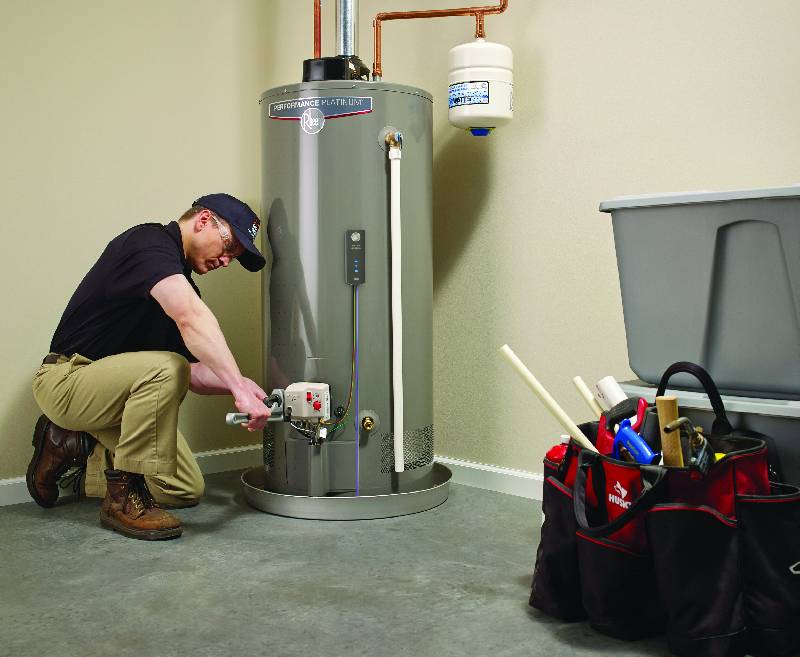
The installation process begins with selecting the right type and size of water heater to meet your household’s needs. It’s important to consider factors such as the number of bathrooms, the frequency of hot water use, and available space. For example, tankless water heaters, which heat water on demand, require different installation considerations compared to traditional tank models. Choosing the right system sets the foundation for a smooth installation and ensures that your home will enjoy an adequate and reliable hot water supply.
Once the unit is chosen, the location for installation needs to be carefully evaluated. The water heater should be placed in an area that allows easy access for maintenance and complies with local building codes. It must also be positioned near existing water and power lines to minimize additional plumbing and electrical work. For safety reasons, proper ventilation is essential, especially for gas-powered units, to prevent the buildup of harmful gases such as carbon monoxide. Additionally, clearance around the unit must meet manufacturer guidelines to avoid overheating and facilitate safe operation.
The actual installation involves connecting the water heater to the plumbing and electrical or gas systems. This step demands precision and expertise because improper connections can lead to leaks, inefficient performance, or even dangerous situations like gas leaks or electrical faults. It’s often recommended to hire a licensed professional for this part of the process to ensure that all local regulations and safety standards are met. Professionals also conduct necessary tests after installation to verify that the system operates correctly without leaks or malfunctions.
An important but sometimes overlooked aspect of water heater installation is the integration of safety features. These include pressure relief valves, which prevent excessive pressure buildup inside the tank, and expansion tanks that accommodate water volume changes as it heats up. Installing these components correctly safeguards both the appliance and your home, preventing potential damage or accidents.
After installation, proper maintenance is key to extending the life of your water heater. This includes regularly checking the unit, flushing out sediment buildup, and testing safety valves. While installation may seem like a one-time event, it sets the tone for years of reliable and efficient operation.
In conclusion, water heater installation is a vital task that requires attention to detail, safety awareness, and sometimes professional help. By choosing the right system, ensuring proper placement, and following correct installation procedures, you can enjoy uninterrupted hot water and peace of mind. A well-installed water heater is more than just an appliance; it’s a foundation of comfort and convenience in your home.