How to Verify Your Motorcycle Chassis Number
Uncategorized
The chassis number on a motorcycle is one of the most important identifiers for its ownership, history and authenticity. Often referred to as the Vehicle Identification Number or VIN, it is a unique code that distinguishes one motorcycle from another. Every manufacturer assigns a specific sequence of letters and numbers to a vehicle, and this sequence carries detailed information about the model, year of manufacture, place of production and engine type. Knowing how to locate and verify the chassis number is essential for buyers, sellers and motorcycle enthusiasts who want to ensure the legitimacy of a vehicle and avoid potential legal or financial problems.
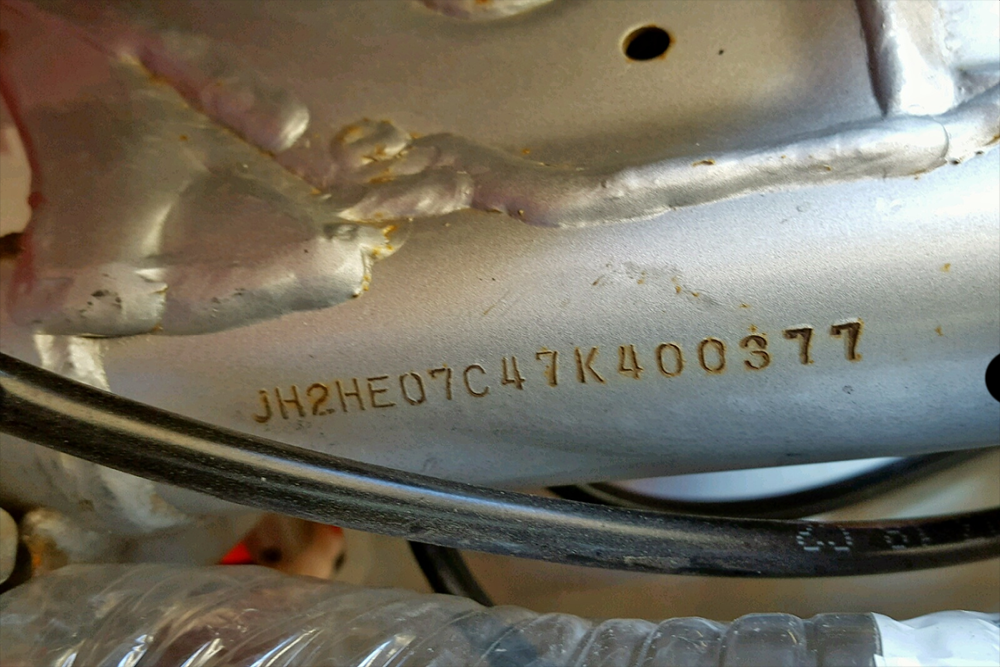
Most motorcycles have the chassis number stamped on the frame in a location that varies depending on the make and model. Common places consulta pelo chassi da moto include near the steering head, on the engine casing or along the main frame under the fuel tank. It is usually engraved or embossed so that it cannot be easily tampered with, which helps law enforcement agencies track stolen vehicles. When checking a motorcycle, it is important to carefully inspect the area to make sure the number is clear and matches the number listed on official documents such as the registration certificate and insurance papers. Any discrepancy could indicate tampering or illegal activity.
Verifying the chassis number begins with comparing it to the vehicle’s paperwork. Registration documents, insurance policies and even the manufacturer’s service records contain the VIN. A match confirms that the motorcycle has a consistent legal history and has not been cloned or altered. Buyers should always cross-check the number before making a purchase, especially when dealing with used motorcycles. Online databases and official transport department portals also provide tools to verify the number, showing the motorcycle’s registration details, ownership history and any pending fines or liabilities.
In addition to legal verification, the chassis number helps in identifying specific details about the motorcycle. Each segment of the code has a purpose. Some digits indicate the country of origin or the manufacturer, while others show the engine type, model year or production sequence. For collectors and enthusiasts, decoding the chassis number provides insight into the motorcycle’s originality and authenticity. This is particularly valuable for vintage or limited edition bikes where even minor changes can significantly affect value.
Regularly checking the chassis number is also a precautionary measure against theft and fraud. Motorcycles are often targeted for illegal resale, and criminals sometimes alter or remove identification numbers. A careful examination can reveal inconsistencies such as misaligned digits, scratches or signs of tampering. Law enforcement agencies and authorized dealerships often provide assistance in such verification, ensuring that the motorcycle remains legitimate and safe to operate.
Overall, understanding and verifying the chassis number is a crucial step in responsible motorcycle ownership. It not only helps in confirming the legality and authenticity of the vehicle but also provides detailed information about its origin and specifications. Whether buying a new motorcycle, a used one or maintaining a collectible, proper attention to the chassis number protects against fraud, supports lawful ownership and preserves the motorcycle’s value over time.